
Ultimate Guide to Industrial Painting: Techniques, Costs & Best Practices
Introduction
Welcome to the Ultimate Guide to Industrial Painting! If you’ve ever walked through a warehouse and marveled at how everything looks so sharp and well-kept, you might have been admiring the magic of industrial painting. It’s not just about slapping on some paint; it’s a meticulous art form that combines science, skill, and a dash of creativity!
Industrial painting is crucial for maintaining the integrity and aesthetics of various structures and equipment across industries. From factory painting to marine coatings, this field covers a broad spectrum of applications that ensure durability, safety, and visual appeal.
But wait what exactly is industrial painting? And how does it differ from your run-of-the-mill commercial painting? In this guide, we’ll unravel these mysteries and more. We’ll dive into everything from protective coatings that guard against corrosion to the costs associated with hiring top-notch industrial paint contractors.
Did You Know? Properly applied industrial coatings can extend the life of your assets significantly think decades instead of years! So, if you’re considering an upgrade or maintenance for your facility, you’re in the right place.
This guide will also highlight best practices for selecting contractors who can deliver high-performance results while keeping your project on schedule. After all, when it comes to industrial paint services, timing is everything!
Buckle up as we explore the ins and outs of industrial painting techniques, costs, and best practices. By the end of this journey, you’ll be armed with all the knowledge you need to make informed decisions for your next project. Let’s get started!
Understanding Industrial Painting
Welcome to the vibrant world of industrial painting, where aesthetics meet functionality! So, what exactly is industrial painting? Simply put, it’s the application of paint and coatings specifically designed for industrial environments. Think factories, warehouses, and production facilities that require more than just a pretty coat.
Industrial painting plays a crucial role in various industries, providing not only an appealing finish but also essential protective qualities. Whether it’s corrosion protection for metal structures or fireproofing coatings for safety, the right industrial paint can make all the difference.
“Industrial coatings are engineered to withstand harsh environments and provide longevity.”
Importance in Various Industries
The importance of industrial painting cannot be overstated. In sectors such as manufacturing, food processing, and even marine applications, specialized coatings ensure durability and compliance with safety standards. For instance:
- Manufacturing: Protects machinery and structures from wear and tear.
- Food Processing: Utilizes food-grade paint solutions to prevent contamination.
- Marine: Employs heavy-duty coatings to resist saltwater corrosion.
Differences Between Industrial and Commercial Painting
You might be wondering how industrial painting differs from commercial painting. While both involve applying paint to surfaces, their purposes diverge significantly:
- Industrial Painting: Focuses on durability and protection against extreme conditions.
- Commercial Painting: Primarily emphasizes aesthetics for public-facing spaces like offices or retail stores.
- Service Scope: Industrial projects often require specialized techniques such as sandblasting services or epoxy flooring installation.
The next time you walk through a warehouse or factory, take a moment to appreciate the complexity behind those colorful surfaces! Understanding the nuances of industrial painting can empower you to make informed decisions about your projects. From selecting qualified industrial paint contractors to ensuring proper surface preparation, every step counts toward achieving a high-quality finish that stands the test of time.
Techniques Used in Industrial Painting
When it comes to industrial painting, the techniques used can make or break the durability and appearance of your project. Think of it as choosing the right tools for a masterpiece you wouldn’t use a butter knife to carve a turkey, right? Let’s dive into some of the most effective methods that industrial paint contractors swear by.
-
Industrial Spray Painting
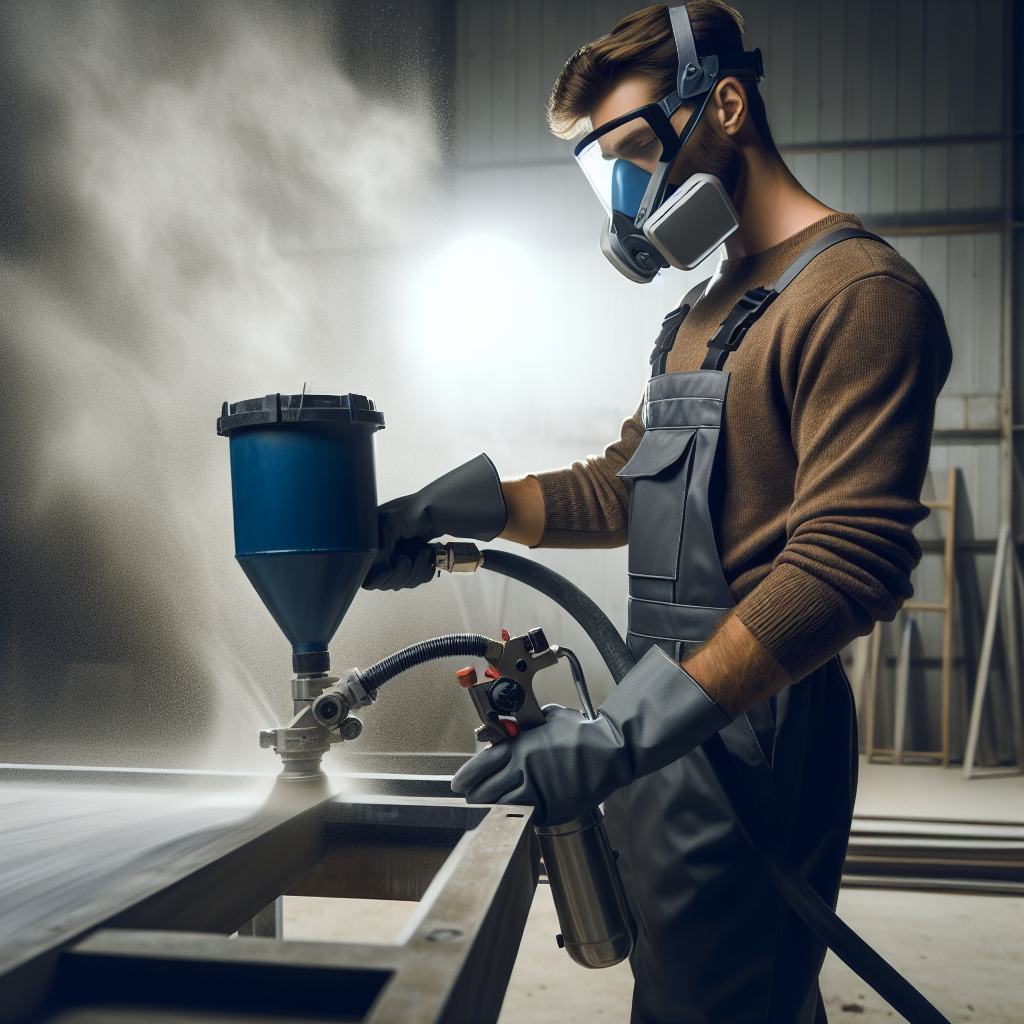
This technique is like the superhero of industrial coating. It allows for even coverage and can be used on various surfaces, from structural steel painting to machinery painting. Plus, it’s fast! Just imagine a paint booth buzzing with activity, where skilled hands wield spray guns like wands, transforming dull metal into vibrant hues in no time.
-
Sandblasting Services
If your surfaces are looking more like a rusty relic than a shining example of industrial prowess, sandblasting might just be your savior. This method involves blasting abrasive materials at high speeds to remove old paint and corrosion, prepping surfaces for that perfect coat. It’s like giving your surfaces a spa day before their big reveal!
-
Electrostatic Painting Services
For those tricky shapes and hard-to-reach areas, electrostatic painting is the way to go. Using charged particles, this technique ensures that paint adheres evenly think of it as magnetizing your paint to stick where it belongs. It’s particularly useful for metal painting and offers high-performance coatings that last.
-
Powder Coating Services
This isn’t just any old paint; powder coating is like the body armor of coatings! It provides a thick layer that is tough against scratches and chipping while being eco-friendly. Ideal for outdoor furniture or machinery exposed to harsh environments, powder coating offers not only aesthetics but also serious protection.
-
Heat-Resistant Paints and Coatings
If you’re dealing with high temperatures think factory ovens or equipment near heat sources then heat-resistant paints are essential. They keep surfaces looking fresh while enduring extreme conditions without peeling or blistering. It’s kind of like wearing sunscreen when you’re about to sunbathe; you want protection!
Key Takeaway: Each technique has its unique benefits tailored to specific needs in industrial painting projects. Always consult with experienced industrial paint contractors to determine which method suits your requirements best!

Surface Preparation for Industrial Painting
Before diving into the colorful world of industrial painting, let’s get to the nitty-gritty of surface preparation. Think of this as the foundation of a house; without a solid base, everything else crumbles. Proper surface prep ensures that your industrial coatings adhere well and perform optimally, saving you time and money in the long run.
Importance of Surface Preparation
Surface preparation is crucial in the realm of industrial coating. It sets the stage for high-performance coatings to do their job effectively. Failing to prepare surfaces can lead to:
- Poor adhesion, resulting in peeling or flaking paint.
- Increased corrosion risk, particularly on metal surfaces.
- Uneven finishes that can undermine aesthetic appeal.
Methods of Surface Preparation
There are several methods to prep surfaces for industrial painting, each suited for different materials and conditions:
- Sanding: Ideal for smooth surfaces, sanding helps remove old paint and creates a texture for better adhesion.
- Power Washing: Great for cleaning dirt and grease off surfaces, especially before applying protective coatings.
- Sandblasting Services: This method is perfect for heavy-duty cleaning and rust removal on metal structures. Think of it as giving your surface a spa day!
- Abrasive Blasting: Similar to sandblasting but uses different materials like steel grit or glass beads perfect for achieving specific finishes.
- Chemical Stripping: For those stubborn layers of old paint, chemical strippers can be an effective solution without damaging the substrate.
Common Challenges in Preparation Processes
No good deed goes unpunished! Even with the best intentions, challenges can arise during surface preparation:
- Poor Weather Conditions: Rain or high humidity can hinder drying times and affect adhesion.
- Inefficient Cleaning: If surfaces aren’t thoroughly cleaned, contaminants can compromise your beautiful new coat.
- Lack of Expertise: Not all industrial paint contractors are created equal. Choosing inexperienced contractors might lead to subpar prep work and we all know what that means!
Chemical and Protective Coatings
When it comes to industrial painting, the choice of coatings can make or break your project. Think of protective coatings as the superhero capes for your surfaces, shielding them from the villainous forces of corrosion, chemicals, and wear. Let’s dive into the world of chemical and protective coatings and discover how they can elevate your industrial painting game!
Types of Protective Coatings
- Rust Prevention Coatings: These are essential for any metal painting project, providing a barrier against moisture and oxidation.
- Fireproofing Coatings: Ideal for structures that need to withstand high temperatures, these coatings help protect materials from fire damage.
- Heavy-Duty Coatings: Designed to handle extreme conditions, these are perfect for machinery painting or structural steel painting.
- Anti-Graffiti Coatings: Keep your surfaces looking pristine by preventing paint or markers from adhering.
Chemical Resistant Coatings Overview
Chemical resistant coatings are like a protective shield against spills and splashes in environments where harsh substances are handled. Whether it’s in a food processing plant needing food-grade paint solutions or a warehouse dealing with various chemicals, these coatings ensure longevity and durability.
Did You Know? The right chemical resistant coating can significantly reduce maintenance costs by prolonging the life of surfaces exposed to corrosive substances!
Selecting the Right Coating for Your Project
Selecting the appropriate coating is crucial for achieving optimal performance. Here are some factors to consider:
- Environment: Consider whether the area is exposed to moisture, chemicals, or extreme temperatures.
- Surface Material: Different substrates (like concrete or metal) may require specific types of coatings for maximum adhesion and protection.
- Aesthetic Requirements: Sometimes you want more than just protection; you want style! High-performance coatings come in various colors and finishes.
The right combination of chemical and protective coatings not only enhances durability but also contributes to overall safety in industrial settings. Remember, investing in quality industrial paint services today can save you headaches tomorrow. So gear up with the right coatings your surfaces will thank you!
Costs Associated with Industrial Painting Services
When it comes to industrial painting, understanding the costs involved is crucial for budgeting effectively. Think of it as shopping for a high-performance car; you can’t just look at the sticker price without considering the maintenance, fuel, and insurance costs that come with it. Let’s break down the key factors that influence the overall price tag of your industrial paint services.
Factors Influencing Cost
- Materials: The type of paint and coatings used can significantly impact costs. High-performance coatings like epoxy or chemical-resistant options tend to be pricier but offer superior durability.
- Labor: Skilled labor is essential in industrial painting. The more complex your project (think structural steel painting or heavy-duty coatings), the more you’ll pay for experienced contractors.
- Project Size: Larger projects, such as factory or warehouse painting, will generally cost more due to the increased materials and labor needed.
Averaging Costs for Various Services
The costs can vary widely depending on what you’re looking for. Here’s a quick snapshot of average prices for some common services:
| Service | Average Cost per Square Foot |
|---|---|
| Epoxy Flooring | – |
| Tank Lining and Coating | – |
| Pipelines Coating Services | – |
| Metal Painting | – |
Budgeting Tips for Industrial Painting Projects
- Get multiple quotes: Always compare prices from different industrial paint contractors to ensure you’re getting a fair deal.
- Plan ahead: Schedule your project during off-peak seasons when contractors might offer discounts.
- Consider long-term savings: Investing in high-quality protective coatings can save you money on maintenance in the long run.
Avoid common pitfalls like underestimating surface preparation costs or neglecting to factor in safety line striping services that might be necessary post-painting. By being thorough in your planning and understanding these cost drivers, you’ll not only save money but also ensure the longevity and effectiveness of your industrial paint services.
If you’re ready to take on your next project, remember that quality counts! Choosing experienced contractors who understand the nuances of industrial painting will pay off in spades.
Best Practices for Industrial Painting Projects
When it comes to industrial painting, the difference between a job well done and a disaster can often be traced back to a few key practices. Let’s dive into the best practices that can help ensure your project is a success.
Selecting Qualified Industrial Paint Contractors
Choosing the right industrial paint contractors is like picking the right team for a heist everyone needs to know their role, and you need to trust them completely. Look for contractors with:
- Experience: A solid track record in industrial coating and similar projects.
- Certifications: Relevant industry certifications that prove their expertise.
- References: Positive feedback from previous clients to gauge reliability and quality.
The Importance of Communication and Scheduling Appointments
The key to any successful project lies in effective communication. Make sure you establish clear lines of communication with your contractor. This means:
- Scheduling Regular Check-Ins: Keep tabs on progress and address any issues promptly.
- Setting Clear Expectations: Define what success looks like for both parties.
- Avoiding Last-Minute Changes: Changes are inevitable, but minimizing them can prevent chaos.
Sustainability Considerations in Industrial Painting Projects
Sustainability is not just a buzzword; it’s becoming essential in all aspects of business, including industrial painting. Consider these eco-friendly options:
- Low-VOC Paints: These paints emit fewer volatile organic compounds, making them better for the environment and your health.
- Recyclable Materials: Opting for materials that can be recycled reduces waste significantly.
- Sustainable Practices: Choosing contractors who focus on reducing their carbon footprint through efficient processes.
Takeaway: Investing time in selecting the right contractors, maintaining open communication, and considering sustainability can dramatically enhance the outcome of your industrial painting project!
Conclusion
- Recap of key points
- Encouragement to choose experienced contractors
- Final thoughts on the value of quality industrial painting